

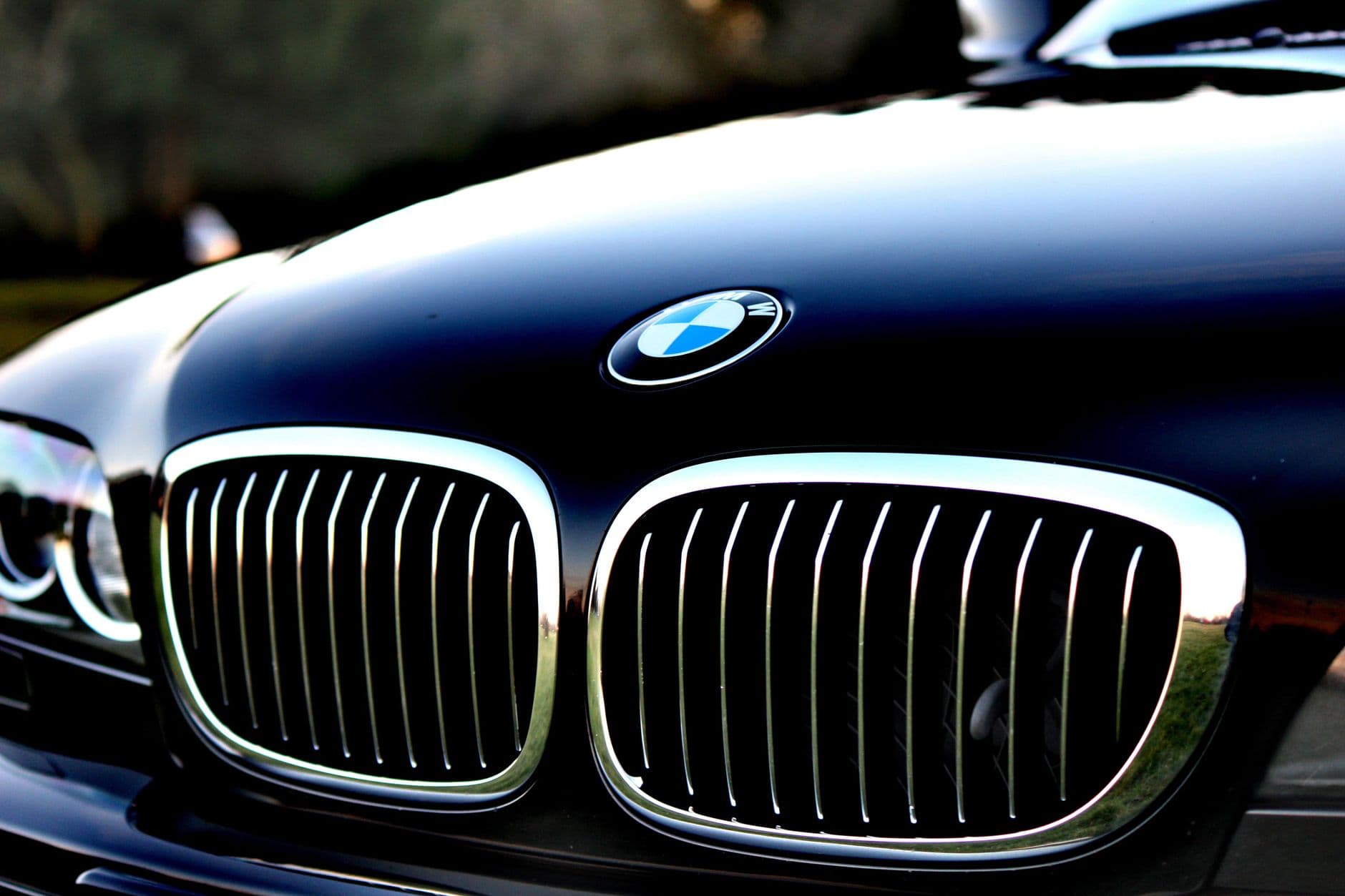
Short answer: Paint correction is a multi-step polishing process that removes swirl marks, scratches, oxidation, and other imperfections from a car's clear coat, restoring a smooth, glossy finish. It's done with machine polishers and cutting compounds, and it's different from a standard wash or wax.
What is paint correction
Paint correction means physically leveling the clear coat on your car's paint to remove visible defects. Every car that's been washed, driven, or parked outside for more than a few months picks up tiny scratches. Under direct sunlight, those scratches show up as swirl marks, spider webbing, or a hazy finish that makes even a clean car look dull.
A detailer uses a dual-action or rotary polisher along with abrasive compounds to remove a thin layer of clear coat. That process levels out the surface so light reflects evenly again. The result is a deeper, glassier shine that waxing or a basic wash can't produce, because those methods only clean the surface. They don't remove the damage underneath it.
What causes swirl marks and scratches
Most paint damage comes from things that seem harmless:
- Automatic car washes with brushes that drag dirt across the surface
- Wiping down a dusty car with a dry towel
- Using the wrong wash mitt or a dirty one
- Sun exposure and oxidation over time
- Everyday debris like sand, tree sap, and road grime
Tampa's climate makes this worse. Intense UV exposure, humidity, and salt air near the coast speed up oxidation and make clear coats more fragile. If your car sits outside most of the year, swirl marks build up faster than they would in a milder climate.
How paint correction works step by step
A proper paint correction job usually follows this order:
- Wash and decontamination. The car gets washed and clayed to remove embedded contaminants like tar, iron particles, and tree sap that a normal wash won't touch.
- Paint inspection. The detailer checks paint thickness and examines the surface under bright light to map out scratches, swirls, and problem areas.
- Compounding. A cutting compound and a machine polisher remove the top layer of damaged clear coat.
- Polishing. A finer polish refines the surface further, boosting gloss and removing any haze left from compounding.
- Protection. A sealant, wax, or ceramic coating gets applied to lock in the finish and protect it going forward.
Depending on how much correction the paint needs, this can be a one-step, two-step, or three-step process. Heavily swirled or neglected paint usually needs more passes.
Paint correction vs waxing vs ceramic coating
These three terms get mixed up constantly, but they do different jobs:
- Waxing adds a protective, glossy layer on top of existing paint. It doesn't remove scratches, it just fills them in temporarily.
- Paint correction physically removes the damaged layer of clear coat to fix the imperfections underneath.
- Ceramic coating is a protective layer applied after correction. It doesn't fix existing damage, but it helps prevent new swirls and makes future washing easier.
Most pros recommend paint correction first, then a ceramic coating to protect the freshly corrected surface. Skipping correction and going straight to ceramic coating just locks the existing swirls in under a glossy layer.
How much does paint correction cost
Paint correction is priced separately from a standard detail because it takes more time and specialized equipment. A basic detail in Tampa typically runs $50 to $125, and a full interior and exterior detail runs $150 to $300, based on industry pricing data. Paint correction sits on top of that as an add-on or standalone service, and the price depends on the number of stages needed, the size of the vehicle, and how much damage the paint has.
A one-stage correction on a small car with light swirls costs less than a three-stage correction on a larger vehicle with years of neglect. Ask for a paint inspection before committing to a package so you're not paying for more (or less) correction than your car actually needs.
A guy in Tampa booked a one-stage paint correction on his black sedan after years of drive-through car washes left it covered in spider-web scratches. He wasn't expecting much, but after the polish he said the hood looked like a mirror for the first time since he bought the car.
How long does paint correction take
A single-stage correction on a smaller car can take two to four hours. Multi-stage corrections on larger vehicles, or cars with heavy oxidation and deep scratches, can take a full day or longer. Detailers work panel by panel, so rushing the process usually means a less even result. If a pro tells you they can do a full correction in under an hour, that's a red flag.
Signs your car needs paint correction
You probably need paint correction if you notice:
- Spider-web scratches visible in direct sunlight, especially after a wash
- A dull or hazy finish even after waxing
- Water spots that won't buff out with a normal wash
- Faded or oxidized paint on the hood, roof, or trunk
- Swirl marks that show up clearly in photos or under garage lighting
If your car still looks glossy and swirl-free, regular maintenance washing and the occasional wax might be all you need. For tips on keeping paint in good shape between details, check out the best way to maintain your car's exterior and how to keep your car clean between details.
Is paint correction worth it
For daily drivers, paint correction is worth it if you plan to keep the car for years or if you're prepping it for resale. Buyers notice glossy, swirl-free paint, and it can make a real difference in perceived value. For classic cars, leased vehicles heading back to the dealer, or anyone selling soon, it's one of the highest-impact detailing services available.
If you're not sure whether your car needs a full correction or just a wash and wax, a good detailer will walk you through it during an inspection rather than upselling a service you don't need.
According to EPA guidance on car care, regular maintenance washing also reduces the buildup of contaminants that lead to paint damage in the first place, which means fewer corrections needed over the life of the car. Industry groups like the International Detailing Association also publish standards detailers follow for compounding and polishing stages.
Once your paint is corrected, keeping the interior fresh matters too. If odors have built up over time, here's how to remove car odor so the whole car feels new, inside and out.
Finding a pro for paint correction in Tampa
Paint correction takes the right equipment, experience reading paint thickness, and patience. It's not a service to DIY with a rental buffer from a hardware store, since too aggressive a pass can burn through the clear coat. On Wind, you can see exact pricing and duration upfront on every detailer's listing, message them directly about your car's specific paint condition, and book the appointment without a single phone call.
Common questions
Does paint correction remove all scratches?
It removes most surface-level scratches and swirl marks in the clear coat. Deep scratches that go through the clear coat into the base color or primer usually need touch-up paint or a repaint, not correction.
How often should I get paint correction?
Most cars only need a full correction every few years, if the paint is maintained well afterward with proper washing techniques and protection like wax or ceramic coating.
Can I do paint correction myself?
It's possible with the right dual-action polisher and compounds, but it's easy to overcorrect or burn through clear coat without experience. Most owners get better, more even results from a pro.
Will paint correction make my car shinier than new?
Often yes. Factory clear coats sometimes have minor imperfections from the manufacturing process, so a well-done correction can leave a finish that looks better than it did off the lot.
Is paint correction the same as a full detail?
No. A full interior and exterior detail focuses on cleaning, typically running $150 to $300. Paint correction is a separate, more specialized service focused specifically on fixing the paint's surface, and it's often added on top of a detail package.
How do I know how many stages my car needs?
A detailer will inspect your paint under bright light and check clear coat thickness to recommend one, two, or three stages. Lighter swirls usually need fewer stages than deep scratches or heavy oxidation.