

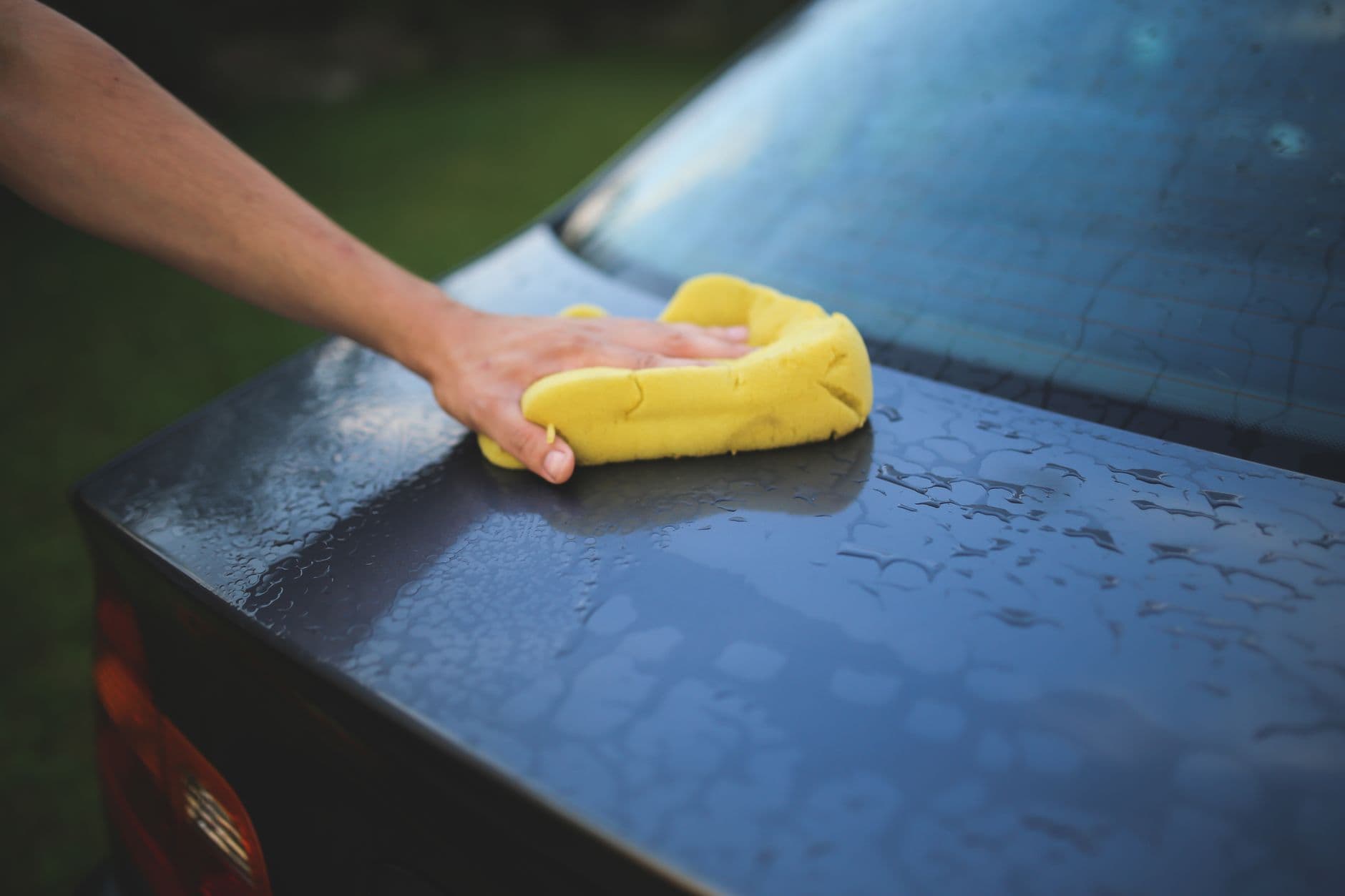
Short answer: Detailing a sports car means washing and decontaminating the paint, cleaning wheels and low-profile tires without scratching finishes, treating tight interior spaces built for two, then finishing with a wax, sealant, or ceramic coating. The process is similar to detailing any car, but sports cars have lower ground clearance, softer paint on some models, and interiors packed with leather and carbon trim that need extra care.
If you're wondering how to detail a sports car without damaging the paint or trim, the order of operations matters as much as the products you use. Skip a step or rush the wheels, and you risk swirl marks or brake dust stains that are tough to reverse.
What makes sports car detailing different
Sports cars sit lower to the ground, which means more road grime collects on rocker panels and lower bumpers. Many models use softer clear coats that show swirl marks faster than a family sedan. Low-profile tires and larger, more intricate wheels also take longer to clean because brake dust settles into every spoke.
Interiors are usually smaller and more detailed, with Alcantara, carbon fiber trim, or two-tone leather that needs specific cleaners. A generic all-purpose spray can dull matte finishes or stain suede-like materials permanently.
Tools and products you need before you start
Before touching the car, gather the right supplies:
- Two buckets (one for soap, one for rinsing) with grit guards
- A pH-neutral car shampoo
- Microfiber wash mitts and drying towels
- A wheel-specific cleaner and soft-bristle wheel brush
- Clay bar or clay mitt for paint decontamination
- Interior brush set for vents, seams, and stitching
- Leather cleaner and conditioner if the seats are leather
- Wax, paint sealant, or ceramic coating spray
Skipping the two-bucket method is one of the fastest ways to introduce swirl marks. Dirt from the mitt gets rinsed out before it goes back into clean soap, not directly back onto the paint.
Step-by-step exterior detail process
- Rinse the car fully to knock off loose dirt before any contact washing.
- Wash from the top down, working in straight lines rather than circles.
- Clean wheels and tires separately with dedicated tools, since brake dust is abrasive and shouldn't touch the same mitt used on paint.
- Dry with a microfiber towel or blower to avoid water spots.
- Clay the paint if it feels rough to the touch, which removes bonded contaminants a wash alone won't lift.
- Apply wax, sealant, or a ceramic spray as the final protective layer.
This order protects the paint from being touched with anything that's already picked up grit from a dirtier surface, like wheels or lower panels.
Cleaning wheels, tires, and low-profile trims
Sports car wheels tend to be larger with tighter spoke patterns, which trap brake dust in spots a regular sponge can't reach. A dedicated wheel brush with a long, thin head gets into those gaps without scratching the finish. Rinse wheels first, apply a wheel cleaner rated safe for the finish (some cleaners are too acidic for chrome or polished aluminum), then agitate gently.
Low-profile tires and splitter lips are common scrape points on lowered sports cars. Go slow around these areas and use a plastic trim-safe cleaner rather than anything abrasive.
Interior detailing for tight, low-slung cabins
Sports car interiors are compact, which means dirt and dust concentrate in fewer places, like door pockets, seat bolsters, and center consoles. Vacuum first, then use soft brushes on vents and seams before wiping down hard surfaces with an interior-safe cleaner.
Leather seats need a cleaner and conditioner made for leather, not a generic wipe. Alcantara or suede-style trim should never be soaked. A dry brush and light vacuum work better than liquid cleaners, which can leave water rings.
A driver in Tampa booked a full interior and exterior detail through Wind before taking his 911 to a car meet on a Saturday. He'd been putting off the interior because he was worried about the Alcantara steering wheel getting damaged. The detailer used the right products, and he said it was the first time in two years the cabin actually smelled new again.
Paint correction and ceramic coating basics
If the paint has visible swirl marks or light scratches, a single wax layer won't fix it. Paint correction uses a polisher and cutting compound to level the clear coat and remove those marks before sealing it. This step takes longer and isn't part of a basic wash, which is why it's usually offered as an add-on.
Ceramic coatings last longer than wax, usually one to several years depending on the product, and make future washes easier since dirt doesn't bond as tightly to the surface. They don't prevent scratches from rocks or keys, but they do make maintenance faster over time. For background on coating durability and care, the International Detailing Association publishes standards many pros follow.
DIY vs hiring a pro detailer near you
Doing it yourself saves money on labor, but it takes hours for a sports car done right, especially with clay barring and interior detail work. Industry pricing data puts a basic car detail at $50 to $125, while a full interior and exterior detail runs $150 to $300 depending on vehicle size and condition. Sports cars with more intricate wheels or delicate interior materials often land at the higher end of that range.
Hiring a pro also reduces risk. A detailer who works on performance cars daily knows which wheel cleaners are safe for polished finishes and which interior materials can't handle certain products. If you want to see what a full detail actually changes, car detailing before and after results show the difference between a wash and a full correction.
If you're comparing packages, car detailing packages explained breaks down what's typically included at each price point, and car detailing cost in Tampa covers local pricing specifics.
Washing your own car regularly between full details helps protect the paint and keeps brake dust from baking onto wheels. The EPA also notes that washing on grass instead of pavement reduces runoff into storm drains, something worth knowing if you're doing this at home.
Booking through Wind means you see the exact price and duration for a detail before confirming, with no back-and-forth calls to get a quote. You can message the detailer directly in the app if your car has specific needs, like a ceramic coating or delicate wheel finish, and tipping happens through an in-app prompt after the job is done, no cash or apps required separately.
Common questions
How long does it take to detail a sports car?
A basic wash and wax takes one to two hours. A full interior and exterior detail with paint correction can take four to six hours or more, depending on paint condition and interior materials.
Can I use regular car wash soap on a sports car?
Yes, as long as it's pH-neutral. Avoid dish soap or household cleaners, which strip wax and can dull clear coats over time.
Do sports cars need special wheel cleaners?
Many do. Polished or chrome finishes need cleaners specifically labeled safe for that material, since acidic cleaners made for standard alloy wheels can damage them.
Is ceramic coating worth it for a sports car?
It depends on how often you drive and wash the car. Ceramic coating makes maintenance washes faster and helps the paint resist stains, but it won't stop rock chips or deep scratches.
How much does a full sports car detail cost?
Industry pricing data puts a full interior and exterior detail at $150 to $300. Sports cars with intricate wheels or delicate interior trim often fall toward the higher end.
Should I detail my sports car myself or hire a pro?
DIY works if you have the time and the right products for delicate finishes. A pro detailer is worth it if your car has leather, Alcantara, or polished wheels that need specific care to avoid damage.