

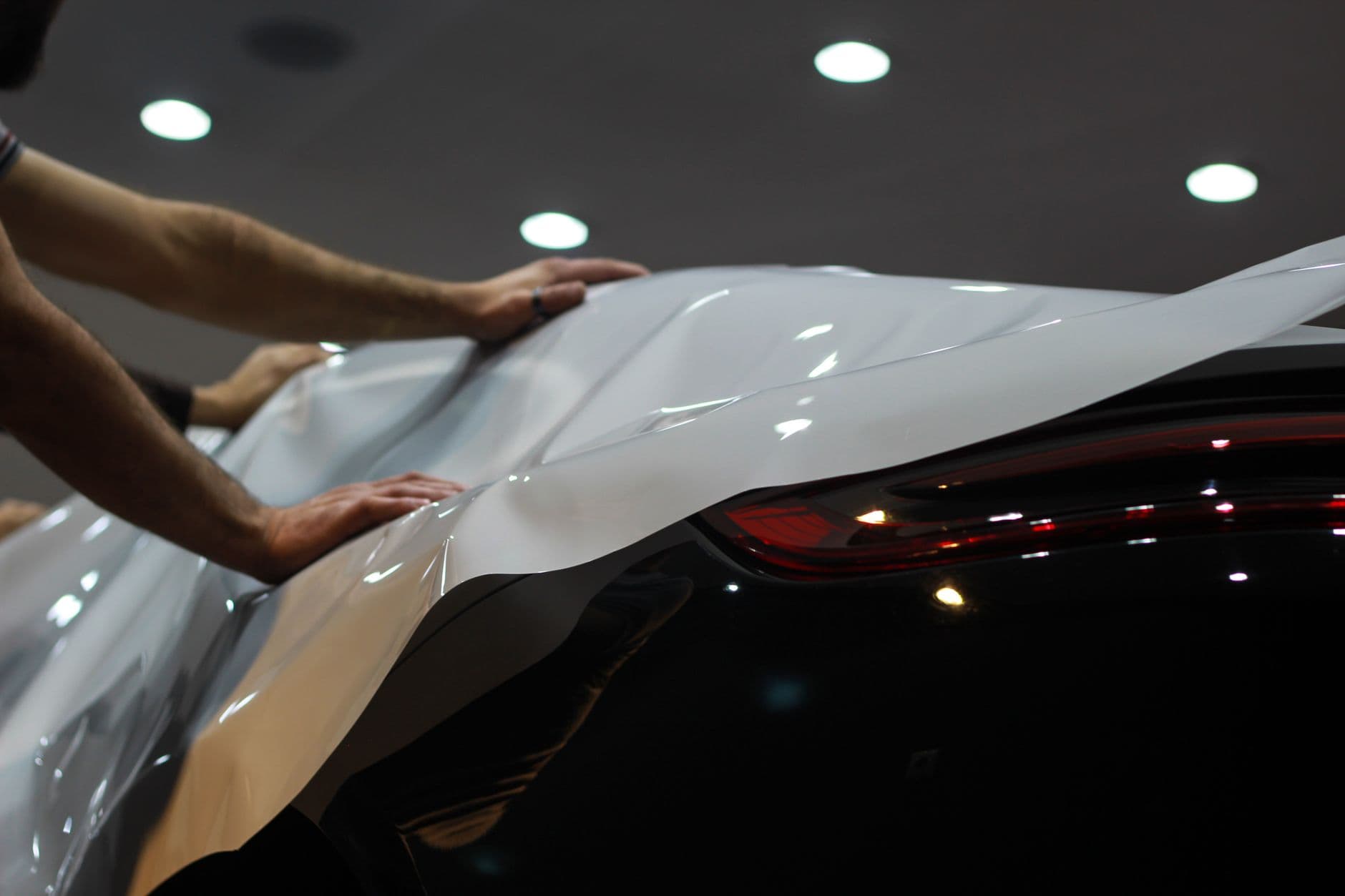
Short answer: You can detail a car at home in three to five hours with a vacuum, microfiber towels, car shampoo, an interior cleaner, and a wax or sealant. Work inside out: vacuum and clean the interior first, then wash, clay, polish, and protect the exterior.
What you need before you start
Learning how to detail a car at home starts with having the right supplies on hand. Running back and forth to the store mid-job wastes time and usually leads to shortcuts.
Basic supply list:
- A shop vacuum with a hose attachment and crevice tool
- Two buckets (one for soap, one for rinse water) with grit guards
- pH-neutral car shampoo, not dish soap
- Microfiber wash mitt and at least a dozen microfiber towels
- Interior cleaner for plastic and vinyl, plus a leather conditioner if you have leather seats
- Glass cleaner made for cars (ammonia-free)
- Clay bar or clay mitt for removing bonded contaminants
- Wax, sealant, or ceramic spray for paint protection
- Tire cleaner and a tire dressing applicator
You don't need every product on the shelf. Market rates for professional gear can add up fast, but a basic home kit usually costs less than one professional appointment and lasts for months.
Step-by-step: cleaning the interior
Always start inside. Dust and debris from the interior will land on your clean exterior otherwise.
- Remove floor mats and trash. Shake out mats outside the car.
- Vacuum seats, carpets, headliner, and trunk. Use the crevice tool for seat tracks and door pockets.
- Wipe down the dash, console, and door panels with an interior cleaner and a microfiber towel.
- Clean air vents with a detailing brush or a foam paintbrush.
- Treat leather seats with a conditioner. For cloth seats, use an extraction cleaner or fabric spot cleaner on stains.
- Clean interior glass last, using a separate towel from the one used on exterior glass.
Don't spray cleaner directly onto vents, screens, or buttons. Spray the towel instead.
Step-by-step: washing and detailing the exterior
Once the interior is done, move outside.
- Rinse the entire car first to knock off loose dirt and grit.
- Wash top to bottom using the two-bucket method: one bucket for soapy water, one for rinsing your mitt before it goes back in the soap. This keeps you from grinding dirt back into the paint.
- Rinse again and dry with a microfiber towel or a leaf blower to avoid water spots.
- Run a clay bar or clay mitt over the paint with a lubricant to pull off embedded contaminants you can feel but can't see.
- Apply wax, paint sealant, or a ceramic spray by hand or with a dual-action polisher, then buff off.
- Clean wheels and tires with a dedicated wheel cleaner, since brake dust can be more corrosive than road dirt.
- Finish with a tire dressing and a wipe-down of exterior trim and glass.
Working in the shade or during cooler parts of the day keeps soap and wax from drying too fast, which causes streaking.
How long a full DIY detail takes
Budget three to five hours for a full interior and exterior detail if you're doing it alone. Interior deep cleaning usually takes the longest, especially if you're removing pet hair or treating stains. Exterior washing, claying, and waxing typically run one and a half to two hours depending on the size of the vehicle and how much correction the paint needs.
If you're only doing a quick wash and vacuum, expect closer to 45 minutes to an hour.
DIY vs. hiring a pro detailer near you
Doing it yourself saves money on labor, but it costs time and requires tools most people don't already own. Industry pricing data puts a basic professional detail at $50 to $125, while a full interior and exterior detail runs $150 to $300 depending on vehicle size and condition. If you compare that to buying clay bars, polish, a buffer, and quality microfiber towels, a single professional visit can pay for itself the first time.
A guy in Tampa booked a full interior detail on a Thursday morning after his golden retriever had claimed the back seat for six months. He sent a photo afterward. The seat looked new, and he said it would have taken him an entire Saturday to get that result on his own.
If you want a baseline before deciding, check a car detailing price list or see what mobile car detailing typically costs so you know what you're comparing your own time and materials against. Booking through Wind shows the exact price and duration upfront on every listing, so there's no guessing before the pro shows up.
Common mistakes that damage your paint or interior
A few habits ruin more paint jobs than actual dirt does:
- Washing in direct sunlight, which dries soap too fast and leaves spots
- Using dish soap, which strips wax and protective coatings
- Wiping dry dust off the car instead of rinsing first, which causes swirl marks
- Using the same towel on wheels and paint, since brake dust can scratch clear coat
- Skipping the clay bar step, then wondering why wax won't bond smoothly
- Overusing interior cleaner on the steering wheel and pedals, which can make them slippery
According to Car Care Council guidance on vehicle maintenance, regular washing protects paint from long-term oxidation and rust, so consistency matters more than any single deep clean.
Protecting your work outdoors and the environment
Washing a car in a driveway sends soap, oil residue, and heavy metals from brake dust straight into storm drains, which usually flow to local waterways untreated. The EPA recommends washing on grass or gravel when possible, or using a commercial car wash that filters and recycles water. If you're washing on pavement, use biodegradable soap and try to direct runoff toward a lawn instead of the street.
Once you're done, park in shade when you can. UV exposure breaks down wax and sealant faster than anything else, which means more frequent detailing if your car sits outside all day.
Common questions
How often should I detail my car at home?
A full detail every three to four months keeps paint protected and the interior fresh. A quick wash and vacuum every one to two weeks in between keeps dirt from building up.
What household items should I avoid using on my car?
Skip dish soap, glass cleaner with ammonia on tinted windows, and paper towels on paint. Dish soap strips wax, ammonia can damage window tint, and paper towels can scratch clear coat.
Is it cheaper to detail a car at home than pay a pro?
It's cheaper per visit once you own the tools, but the upfront cost of a vacuum, buckets, clay bar, polisher, and quality products adds up. A basic professional detail runs $50 to $125, and a full interior and exterior detail runs $150 to $300, which can be close to what a decent home kit costs the first time around.
Can I use a pressure washer to detail my car?
Yes, but keep the nozzle at least a foot away from paint and trim, and avoid high-pressure settings near seals, badges, and mirrors. Low pressure works fine for rinsing; high pressure can force water past weatherstripping.
How do I remove pet hair from car seats without a shop vacuum?
A rubber glove or squeegee dragged across the fabric bundles pet hair into clumps you can vacuum or pick up by hand. Damp rubber grips hair better than most vacuum attachments alone.
Do I need a clay bar every time I detail my car?
No. Clay every three to six months, or whenever the paint feels rough to the touch after washing. Waxing or applying sealant can happen more often than claying.