

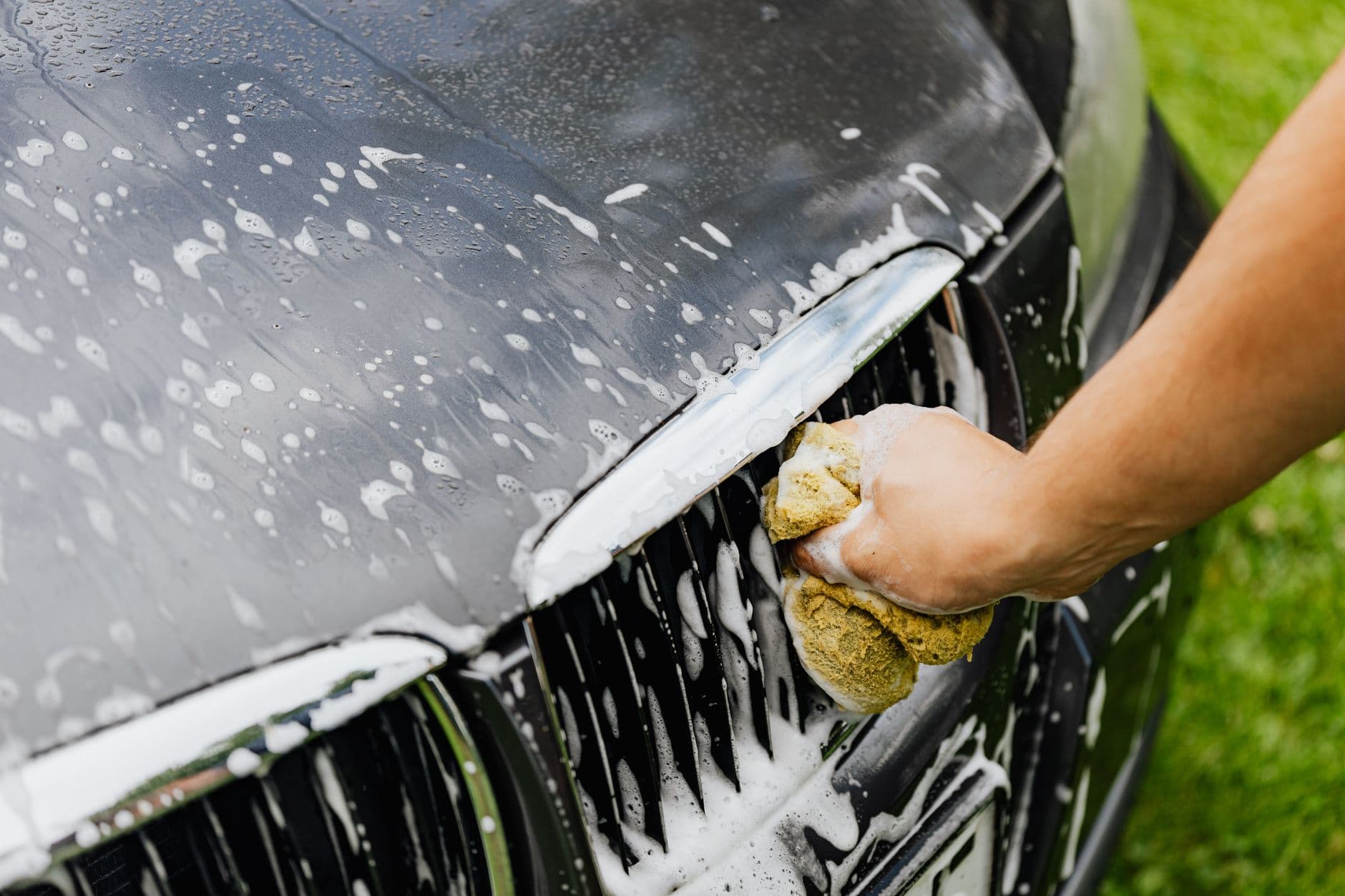
Short answer: To clean leather car seats, vacuum loose debris, wipe down with a pH-balanced leather cleaner and a microfiber cloth, work in small sections, then follow up with a leather conditioner to prevent cracking. Skip household glass cleaners or bleach, they strip the finish and dry out the hide.
What you need before you start
Before you touch the seats, gather the right supplies. Using the wrong products is the fastest way to ruin leather that would otherwise last the life of the car.
You'll need:
- A vacuum with a brush attachment
- A pH-balanced leather cleaner (not an all-purpose cleaner)
- Two microfiber cloths, one for cleaning and one for buffing
- A soft-bristle brush for seams and stitching
- A leather conditioner made for automotive interiors
Skip dish soap, baby wipes, and glass cleaner. These products contain ammonia or alcohol that breaks down the protective coating on leather over time. If you're unsure whether your seats are genuine leather or a leather-like synthetic, check your owner's manual first. Cleaning methods differ slightly for each.
How to clean leather car seats step by step
- Vacuum first. Get into every seam, crease, and crevice. Dirt and grit left behind will scratch the leather once you start scrubbing.
- Test in a hidden spot. Apply a small amount of cleaner to the underside of the seat or a spot that doesn't show. Wait five minutes and check for discoloration.
- Work in sections. Spray the cleaner onto a microfiber cloth, not directly on the seat. Wipe in circular motions over one section at a time.
- Use the brush on stitching. A soft-bristle brush lifts dirt trapped in seams without scratching the surface.
- Wipe away residue. Use a clean, damp cloth to remove leftover cleaner before it dries.
- Let it air dry. Don't use heat or leave the car in direct sun to speed this up. Fast drying causes cracking.
This whole process takes about 30 to 45 minutes for a full set of front and rear seats.
Removing stains and spills from leather seats
Fresh stains come out easier than old ones, so speed matters.
- Coffee or soda. Blot immediately with a dry cloth, then clean with a leather-safe cleaner. Don't rub. Rubbing pushes the liquid deeper into the grain.
- Ink. Dab (don't wipe) with isopropyl alcohol on a cotton swab, then follow with conditioner right away since alcohol dries out leather fast.
- Grease or oil. Sprinkle cornstarch or baking soda on the spot, let it sit for a few hours to absorb the oil, then brush off and clean normally.
- Mold or mildew. Mix equal parts water and white vinegar, wipe gently, then dry completely and condition.
For stains that have set for weeks or months, a store-bought cleaner often isn't enough. That's usually the point where a pro detailer with extraction tools gets better results than another round of scrubbing.
Conditioning leather after cleaning
Cleaning removes dirt, but conditioning is what keeps leather from drying out and cracking. Leather is skin, and like skin, it needs moisture to stay flexible.
Apply conditioner with a clean microfiber cloth in the same circular motion you used for cleaning. Let it absorb for 10 to 15 minutes, then buff off any excess with a dry cloth. Tampa's heat and humidity actually accelerate leather breakdown. UV exposure through the windshield dries out the surface faster than in cooler climates, so conditioning every one to two months is worth it here even if the manufacturer recommends less frequent care.
Mistakes that damage leather seats
A few habits cause more long-term damage than dirt ever does:
- Using baby wipes as a shortcut. Most contain alcohol or fragrance oils that dry out leather.
- Scrubbing too hard. Aggressive pressure wears down the protective topcoat and dulls the finish.
- Skipping the conditioner. Cleaning without conditioning strips natural oils and speeds up cracking.
- Parking in direct sun without protection. UV rays fade and dry leather faster than almost anything else.
- Ignoring spills. A stain that sits for a week is much harder to remove than one treated same-day.
The EPA notes that many household cleaners release volatile organic compounds that build up in enclosed spaces like a car cabin, which is another reason to stick with cleaners made specifically for leather instead of whatever's under the kitchen sink.
How often should you clean leather seats
For most drivers, a light wipe-down every two weeks and a full clean-and-condition cycle every one to three months keeps leather in good shape. If you have kids, pets, or a long commute, lean toward the more frequent end. If your car sits in a garage and rarely gets used, you can stretch that out.
Water spots and mineral deposits on windows and trim often show up around the same time leather starts looking dull. If you're dealing with both, our guide on how to remove water spots from car glass covers that separately.
When to call a pro instead
DIY cleaning works fine for regular upkeep. But deep stains, cracked leather, or seats that haven't been conditioned in years usually need equipment and products beyond what's practical to keep at home.
A guy in Tampa booked a full interior detail through Wind on a Sunday afternoon after his two kids left a melted crayon rainbow across the back seat. The detailer got the wax out of the grain and reconditioned the whole back row. He said it looked better than the day he bought the car.
If you're weighing DIY against booking a pro, cost is often the deciding factor. Industry data puts a basic car detail at $50 to $125, while a full interior and exterior detail typically runs $150 to $300 depending on vehicle size and condition. On Wind, every listing shows the exact price and duration upfront, so there's no guessing or waiting on a callback to find out what something costs. You can message the detailer directly in the app, book real-time availability, and if your plans change, request a reschedule right from your phone instead of calling around.
If you're also protecting the exterior, it's worth reading up on what paint protection film actually does since interior and exterior care often get bundled into the same detailing appointment.
According to the American Cleaning Institute, using the correct pH-balanced product matters more for leather and other delicate surfaces than how much elbow grease you put in, which lines up with what most detailers will tell you. The product matters more than the scrubbing.
Common questions
Can I use regular soap on leather car seats?
No. Dish soap and hand soap strip the natural oils out of leather and leave it dry and prone to cracking. Use a cleaner made specifically for automotive leather.
How do I get pet hair and odor out of leather seats?
Vacuum with a brush attachment to lift embedded hair, then wipe down with a leather cleaner to remove oils from skin and dander that cause odor. A baking soda sprinkle left overnight before vacuuming helps pull out lingering smells.
Is it safe to use a steam cleaner on leather seats?
High heat and excess moisture can damage leather's finish and cause cracking over time. If you use steam, keep it on the lowest setting, work quickly, and dry the seats immediately afterward.
How much does it cost to have leather seats professionally cleaned?
A basic detail that includes leather cleaning typically runs $50 to $125. A full interior and exterior detail with conditioning runs $150 to $300, depending on vehicle size and how much work the seats need.
What's the difference between cleaning and conditioning leather?
Cleaning removes dirt, oils, and stains from the surface. Conditioning replaces moisture and oils that keep the leather flexible, preventing cracks and fading over time. Both steps matter, and skipping conditioning after cleaning speeds up wear.