

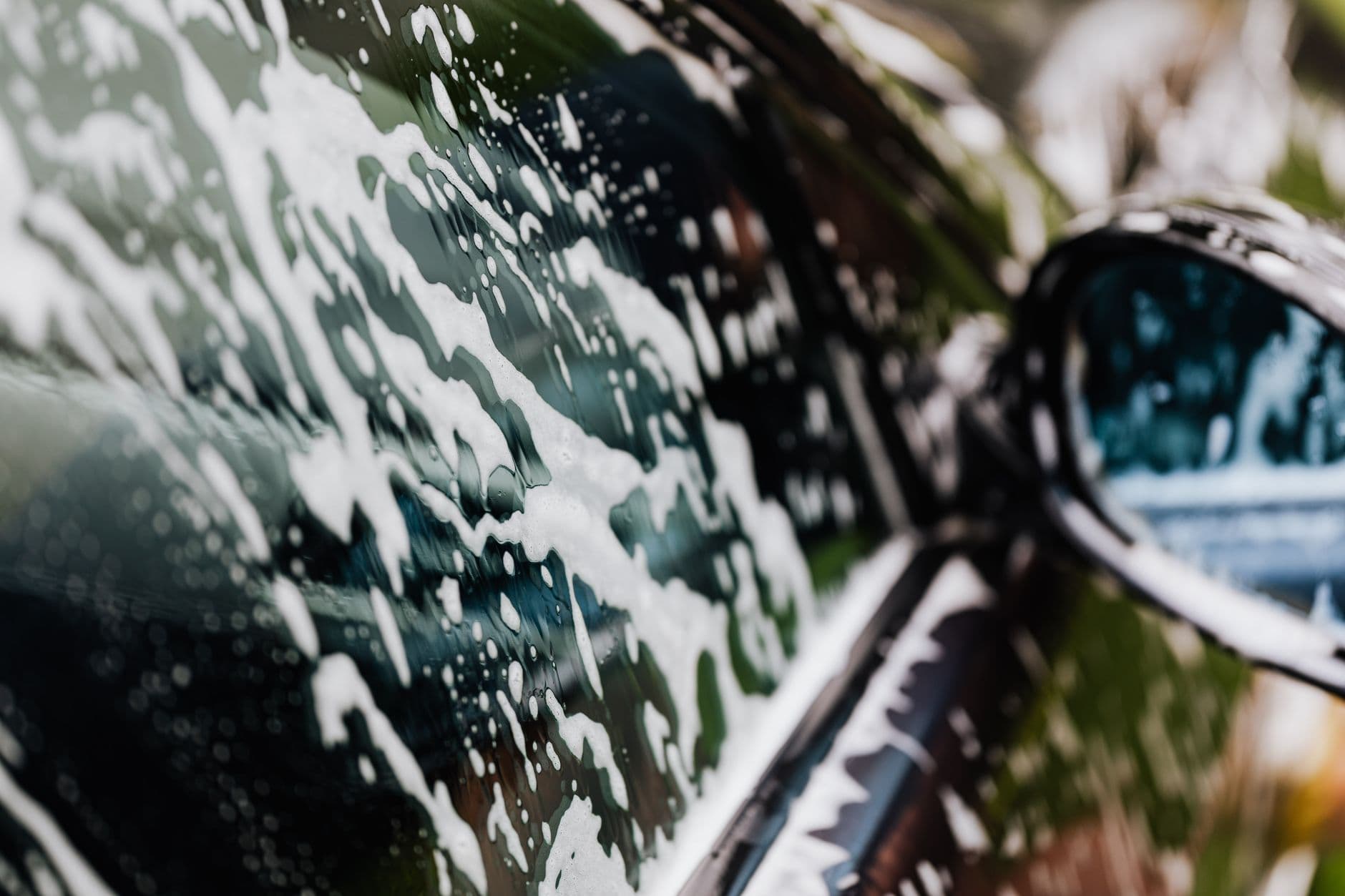
Short answer: Most drivers should get a full detail every 4 to 6 months, or every 3,000 to 5,000 miles. In Tampa, the heat, humidity, and salt air push that window tighter, closer to every 3 to 4 months if you park outside or drive daily.
Why Tampa's climate speeds up wear
Tampa isn't a gentle place for a car's finish. Intense UV exposure fades paint and cracks dashboards faster than in cooler, drier states. Afternoon humidity traps moisture in carpets and upholstery, which can lead to mildew smells if the interior doesn't get a real clean often enough. Add in salt air near the coast and sudden summer downpours that kick up road grime, and you've got a recipe for faster wear on both the outside and inside of the car.
The National Oceanic and Atmospheric Administration tracks how often storms and heavy rain hit the Gulf Coast, and Tampa sits squarely in one of the more active zones for both. NOAA's climate data shows why cars here need more frequent attention than the same vehicle would in a milder climate. Sun damage alone is a documented issue, and skin cancer awareness groups have long tracked UV intensity by region, which is a decent proxy for how hard the sun is on your dashboard too, as noted by the EPA's UV Index guidance.
If you're comparing a quick rinse to an actual detail, it helps to understand the difference first. Our breakdown of mobile car detailing vs a car wash covers exactly what separates the two.
How often to detail based on how you drive
There's no single number that works for every driver. How often you should get your car detailed depends heavily on how and where you use it.
- Daily commuters: Every 3 to 4 months. Regular exposure to sun, road grime, and coffee spills adds up fast.
- Occasional or weekend drivers: Every 6 months is usually enough, since the car sees less wear overall.
- Families with kids or pets: Every 2 to 3 months for the interior. Crumbs, fur, and spills build up quicker than most people expect.
- Work trucks and rideshare vehicles: Monthly or biweekly exterior washes, with a full detail every 6 to 8 weeks, since these vehicles carry more passengers and cargo.
- Garage-kept, low-mileage cars: Every 6 to 8 months. Less sun and rain exposure means slower wear.
If you're not sure which category fits, think about the last time you actually looked closely at your floor mats or ran a hand across the dash. If it's been longer than a season, it's probably time.
Interior vs exterior detailing frequency
Interior and exterior surfaces wear at different rates, so they don't need to be done on the same schedule.
Exterior detailing, including a wash, clay bar treatment, and wax or sealant, holds up well for 2 to 3 months before UV rays and rain start breaking down the protective layer. In Tampa, a fresh coat of wax or ceramic sealant is worth doing more often than you'd think, simply because the sun is relentless for most of the year.
Interior detailing can stretch a bit longer, usually 4 to 6 months for light users, but shrinks to every 2 to 3 months for anyone hauling kids, pets, or gear regularly. Humidity is the real enemy indoors. Moisture trapped in carpet fibers and seat foam can lead to odors and even mold if it sits too long between deep cleans.
Signs your car needs detailing sooner
Sometimes the calendar isn't the best guide. Watch for these signs that your car needs attention now, regardless of when the last detail happened:
- Water beads less on the paint than it used to (a sign wax has worn off)
- Visible swirl marks or dullness in direct sunlight
- A musty or mildew smell inside, especially after rain
- Sticky residue on dash or door panels
- Stains on seats or carpet that wipes usually can't remove
- Pet hair embedded in fabric that a vacuum won't pull out
If you notice two or more of these, it's time to book rather than wait out the rest of the season.
What's included in a full detail
A full detail typically covers both interior and exterior work: hand wash, clay bar treatment, wax or sealant, wheel and tire cleaning, interior vacuuming, upholstery or leather conditioning, dashboard and console cleaning, and window cleaning inside and out. Some pros also offer steam cleaning for carpets and odor treatment for smoke or pet smells.
A guy in Tampa booked a full interior detail on a Thursday morning after his golden retriever had claimed the back seat for six months straight. He sent us a photo afterward. The seat looked new, no more fur embedded in the seams, no more dog smell lingering on hot afternoons.
If you want a clearer picture of what's included at each price point, our car detailing price list breaks down exactly what a basic wash covers versus a full interior and exterior package.
What regular detailing costs in Tampa
Industry pricing data puts a basic car detail at $50 to $125, depending on vehicle size and condition. A full interior and exterior detail typically runs $150 to $300. Prices shift based on how dirty the car is, whether pet hair or heavy stains are involved, and whether the vehicle is a sedan, SUV, or truck.
Budgeting for detailing on a regular schedule, say every 3 to 4 months, tends to be cheaper in the long run than waiting until stains set in or paint damage becomes permanent. Deep stains, sun-baked dashboards, and long-neglected carpets almost always cost more to fix than they would have to prevent.
For a local breakdown of what Tampa drivers actually pay, check our guide on the cost to get a car detailed in Tampa. And if you're wondering whether mobile detailing makes sense for your schedule, our post on what mobile car detailing actually is explains how it works and why it's grown popular with Tampa drivers who don't want to sit in a shop waiting room.
Booking through Wind makes it easy to stay on a schedule without playing phone tag. You see the exact price and duration upfront on every listing, book in the app with real-time availability, and message your pro directly if you need to adjust anything before they arrive.
Common questions
How often should you get your car detailed if you drive it every day?
Every 3 to 4 months. Daily driving in Tampa's heat and humidity wears down wax protection and lets grime build up in the interior faster than occasional use.
Is it bad to wait a year between details?
Yes, in most cases. Waiting a full year lets UV damage, stains, and odors set in deeper, which usually means a more expensive detail when you finally book one. Regular detailing every 3 to 6 months prevents that buildup.
Does a new car need detailing?
New cars still benefit from an early wax or sealant application to protect the factory paint from Tampa's sun. After that, the same 4 to 6 month schedule applies.
Can I detail my car myself instead of booking a pro?
You can handle basic washing at home, but clay bar treatment, paint correction, and deep interior extraction usually require pro-grade tools and products that most people don't keep on hand. A pro detail also protects your paint and upholstery longer.
How do I know if I need an interior detail or just a wash?
If the inside smells musty, has visible stains, or hasn't been vacuumed in over 3 months, it's time for a full interior detail rather than a quick wipe-down.