

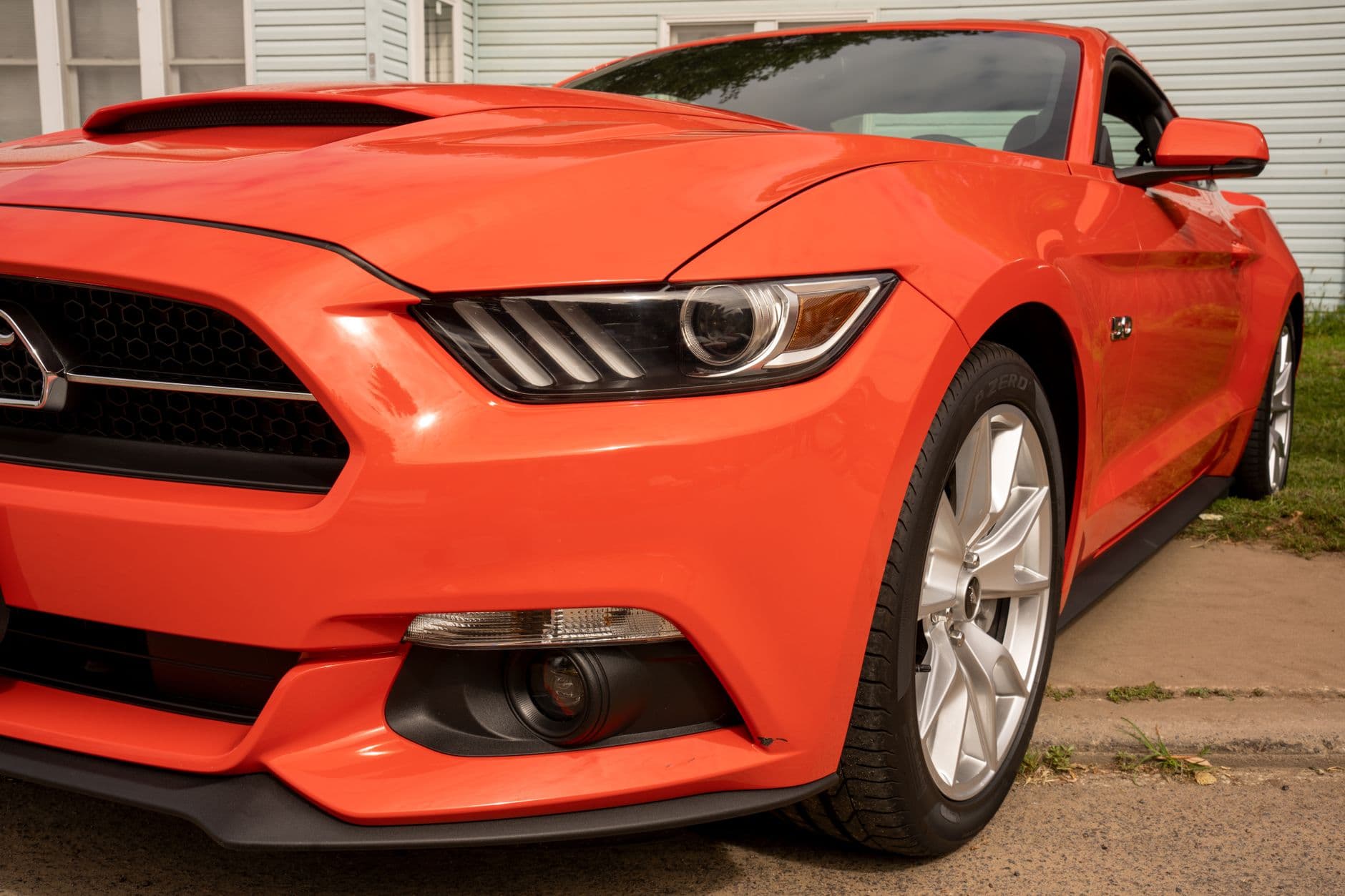
Short answer: Standard car detailing can remove light surface scratches and swirl marks through polishing, but it won't fix deep scratches that go through the clear coat into the paint or metal. Deeper damage needs paint correction or a body shop repair.
Many people ask does car detailing remove scratches expecting a full fix for any mark on their paint. The truth depends entirely on how deep the scratch runs. A detailer's polish and buffing tools work wonders on light imperfections but can't rebuild paint that's been cut all the way through.
What car detailing actually does to scratches
Standard detailing includes washing, clay bar treatment, polishing, and sometimes waxing or ceramic sealant application. The polishing step is what addresses scratches. A machine polisher paired with a cutting compound gently levels the clear coat around a scratch, blending it into the surrounding paint until it's no longer visible.
This works because most everyday scratches from car washes, tree branches, or shopping carts sit only in the clear coat layer, the thin protective top layer of your paint. Polishing removes a microscopic amount of that clear coat to smooth things out. It's not magic. It's controlled sanding and buffing at a very fine level.
Types of scratches detailing can remove
Detailing handles these well:
- Swirl marks from automatic car washes or improper hand washing
- Light surface scratches you can barely feel with a fingernail
- Water spot etching that hasn't damaged the clear coat structure
- Fine scuffs from parking lot mishaps
- Oxidation that makes paint look dull and scratched
If you run your fingernail across a scratch and it catches or snags, that's usually a sign the damage goes deeper than what polishing alone can fix.
Scratches detailing cannot fix
Some damage is beyond what a detail can correct:
- Deep scratches that expose primer or bare metal
- Scratches with visible color difference at the bottom (usually gray or white primer showing)
- Dents or dings, even minor ones
- Rust that's already started forming in a scratch
- Cracked or chipped clear coat
For these, you're looking at paint correction with heavier compounds, touch-up paint, or a trip to a body shop. No amount of buffing brings back paint that's physically missing.
Paint correction vs standard detailing
Standard detailing typically includes one light polish pass meant for maintenance and shine. Paint correction is a more intensive process, often done in multiple stages with different grit compounds, aimed specifically at removing scratches, swirls, and oxidation.
If your car has visible scratching across multiple panels, ask specifically for paint correction rather than a standard detail package. It takes longer (often 4 to 8 hours versus 1 to 2 for a basic detail) and costs more, but it's built for scratch removal rather than general upkeep.
You can read more about the difference between routine washing and full detailing in car detailing vs car wash. what's the difference.
What to expect during a detail for scratch removal
A pro will usually wash and clay bar the car first to remove embedded dirt that could scratch the paint further during polishing. Then they inspect the paint under bright light to map out scratch depth and severity. Light scratches get a single polish pass. Heavier ones may need a compound stage before the final polish and protective coat.
A guy in Tampa booked a full detail on a Tuesday afternoon after his car sat under a mango tree for a summer and picked up dozens of fine scratches from falling branches and sap cleanup. He wasn't expecting much, but the detailer's two-stage polish took out almost all of the swirling. He said the hood looked glossier than it had in three years.
How much does scratch removal cost
A basic detail that includes light polishing runs $50 to $125 depending on vehicle size and condition, according to industry pricing data. A full interior and exterior detail with more thorough paint correction typically runs $150 to $300. Multi-stage paint correction for heavier scratching can push toward the higher end of that range or beyond, since it takes more time and product.
Ask your detailer to look at the car in person or send clear photos before booking. Pricing depends on how many panels are affected and how deep the scratches run, not just the size of the vehicle. On Wind, every detailer's listing shows the exact price and duration upfront, so there's no guessing or hidden fees once the job starts.
How to prevent new scratches after detailing
Once your paint is corrected, protecting it matters. A few habits help:
- Wash by hand or choose touchless car washes instead of brush washes
- Use a clean microfiber towel, never a dry rag, to wipe down paint
- Apply a ceramic coating or sealant after correction to add a sacrificial layer
- Park away from shopping carts, tree branches, and tight spaces when possible
Ceramic coatings don't make paint scratch-proof, but they do add a harder outer layer that takes the brunt of light abrasions before they reach your clear coat. Ask your detailer about it as an add-on after a correction service.
For interior upkeep between full details, check out how often should you detail your car interior to keep the rest of the car in shape too.
According to the Car Care Council, regular maintenance washing and waxing is one of the most effective ways to prevent paint damage from building up over time. The National Institute of Standards and Technology has also published research on clear coat durability, which detailers reference when deciding how aggressive a polish compound to use.
Booking a detailer for scratch removal in Tampa
If your car has visible swirls or light scratching, book a detail that specifically mentions paint correction rather than a basic wash and wax package. Read the listing description closely, since not every detailer offers multi-stage polishing. On Wind, you can message the pro directly before booking to send photos of the scratches and confirm they can handle the job, all without picking up the phone.
Common questions
Can a car wash remove scratches?
No. A car wash only removes dirt and grime from the surface. It doesn't polish or level the clear coat, so scratches stay exactly as they were before the wash.
Will detailing remove scratches from a black car?
Yes, the process works the same regardless of color, but scratches show up more visibly on black and dark paint. Detailers often need an extra polish pass on dark vehicles to get a fully even finish.
How many times can you polish a car before it's too thin?
Clear coat is thin, usually just a few thousandths of an inch. Each polish removes a tiny layer, so repeated aggressive correction over the years can eventually wear it down. Most cars can handle several corrections over their lifetime if done carefully by a pro.
Is paint correction worth it before selling a car?
Often yes. Removing swirls and scratches improves how the paint looks in photos and in person, which can support a higher asking price. A basic detail runs $50 to $125, while paint correction as part of a fuller detail runs $150 to $300 or more, a small cost against a stronger resale price.
Does ceramic coating remove existing scratches?
No. Ceramic coating protects paint going forward but doesn't fix damage that's already there. Any correction needs to happen before the coating goes on, since it seals in whatever condition the paint is in at that point.